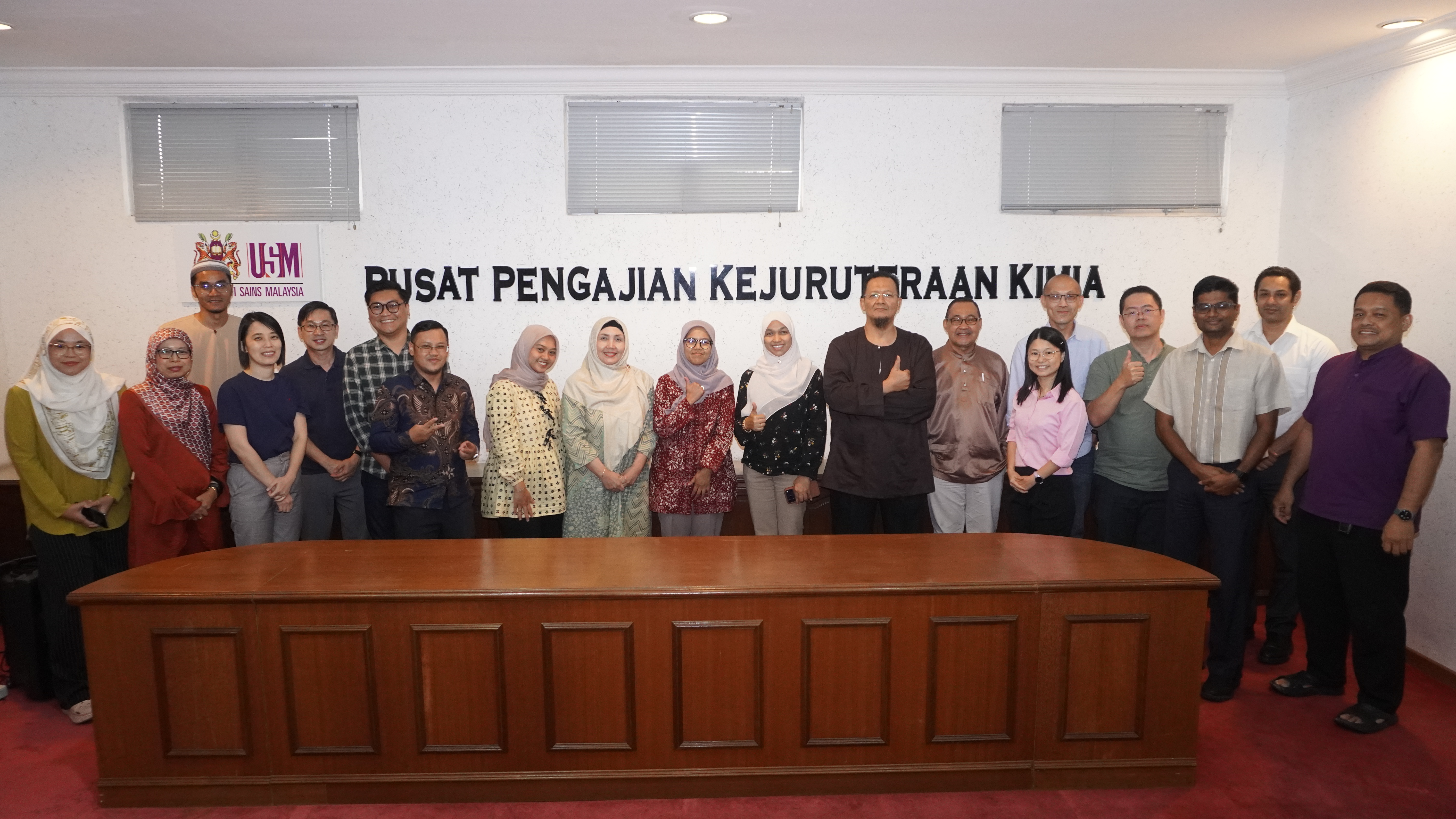
School of Chemical Engineering, USM Builds Close Ties with Indonesian University on Micro-Electro-Mechanical Systems (MEMS)
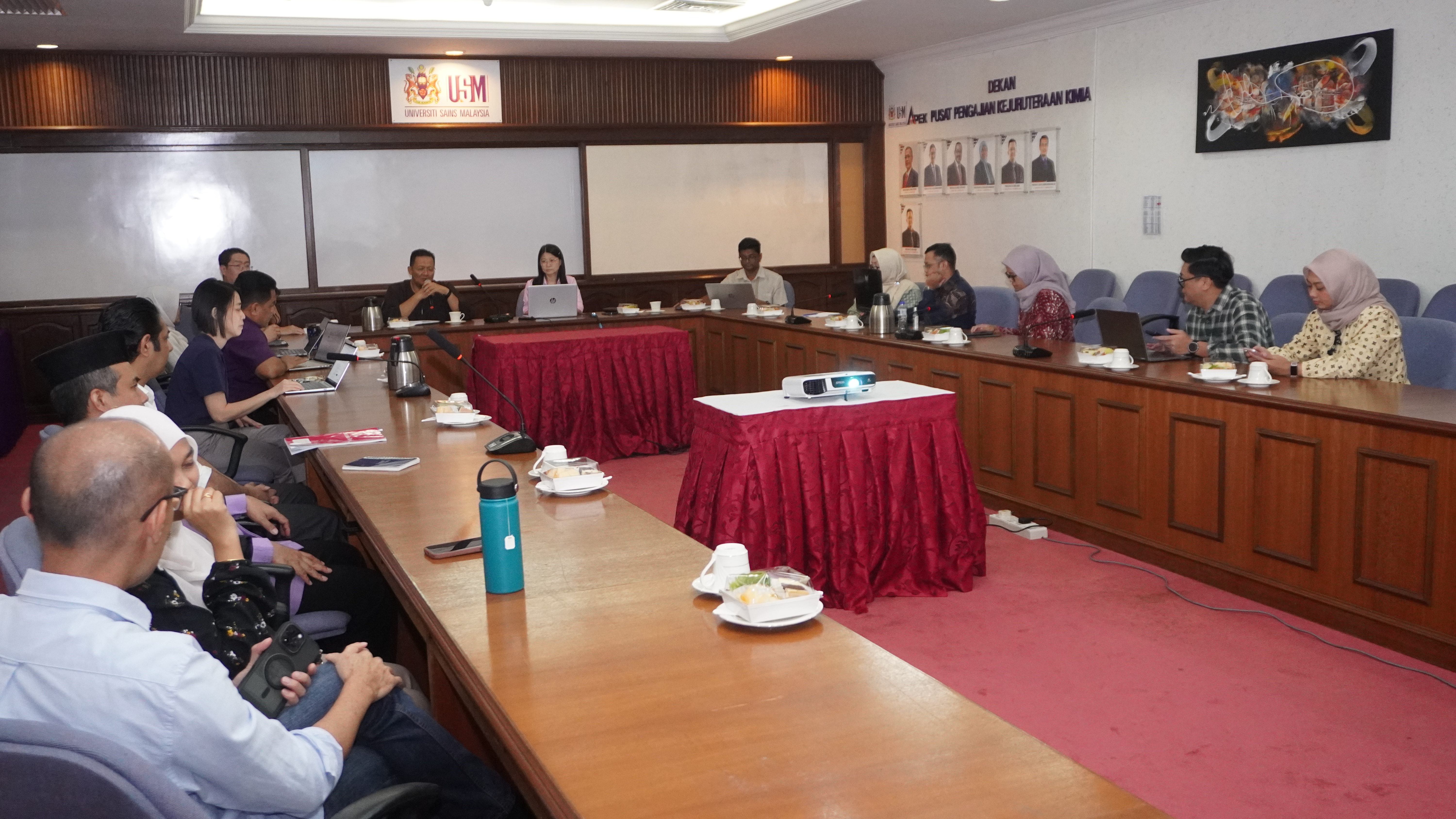
The visit, held from 3.00 pm to 6.00 pm, marked an important step toward strengthening bilateral cooperation in the rapidly evolving field of Micro-Electro-Mechanical Systems (MEMS) and related emerging technologies.
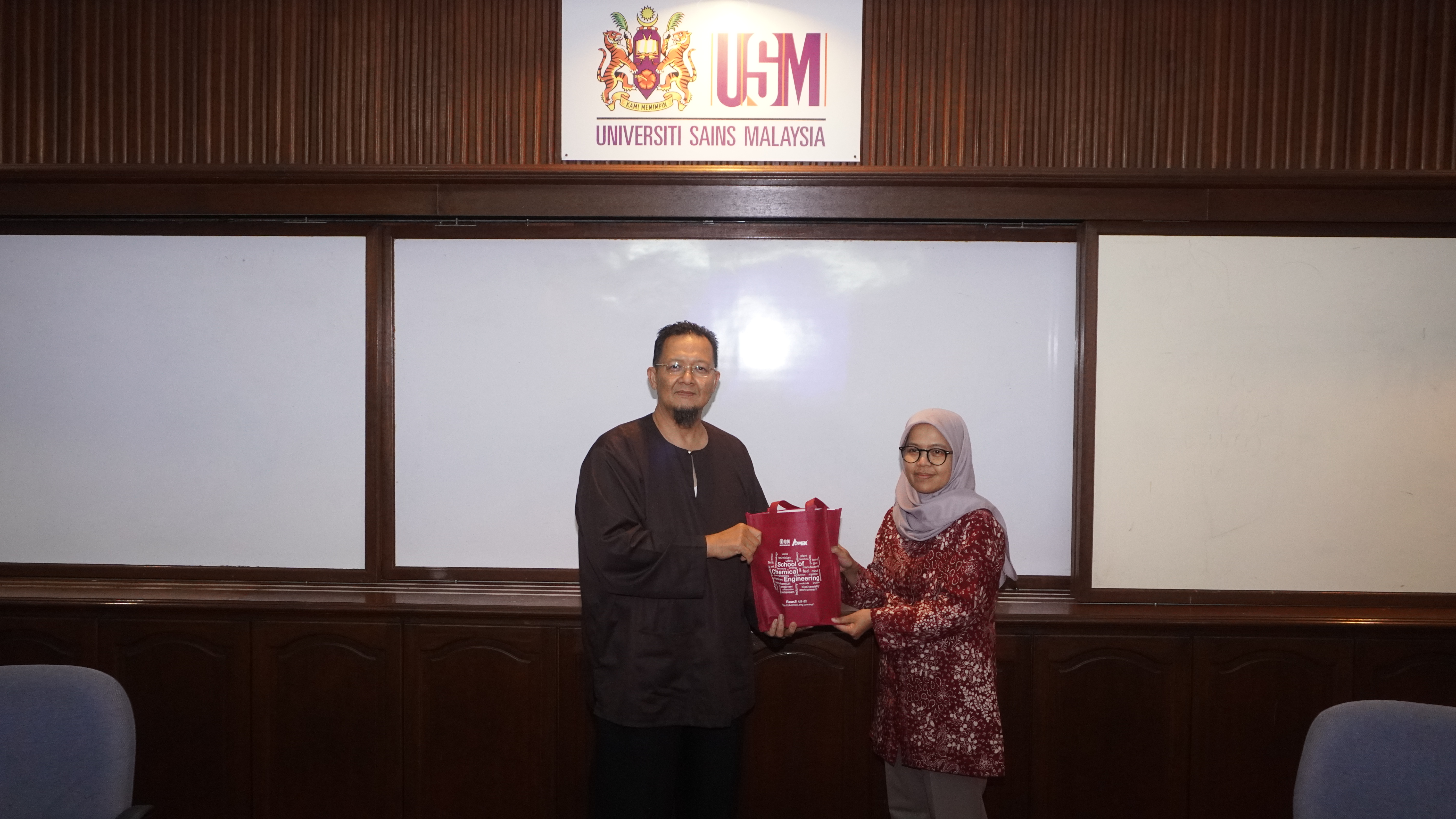
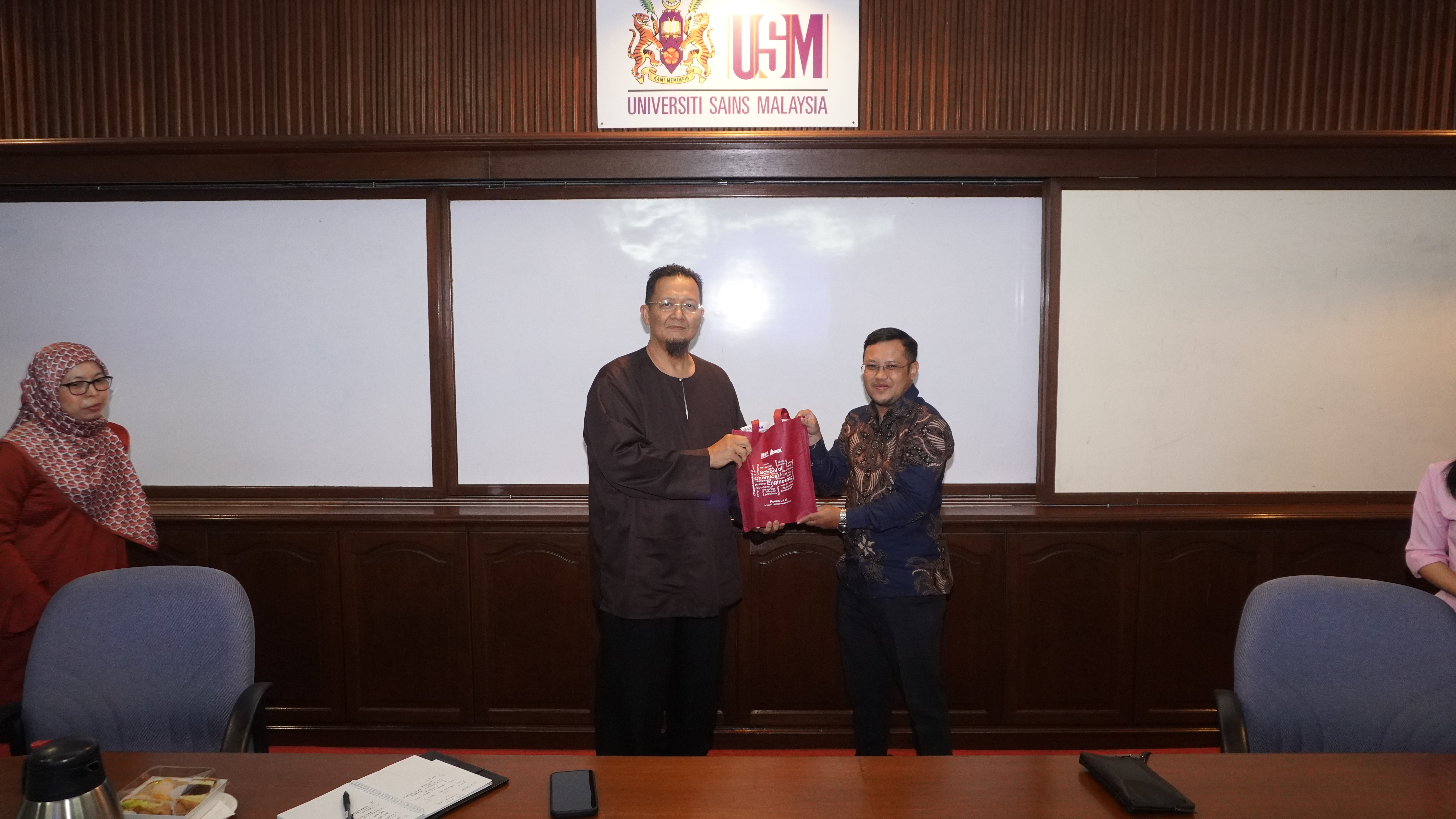
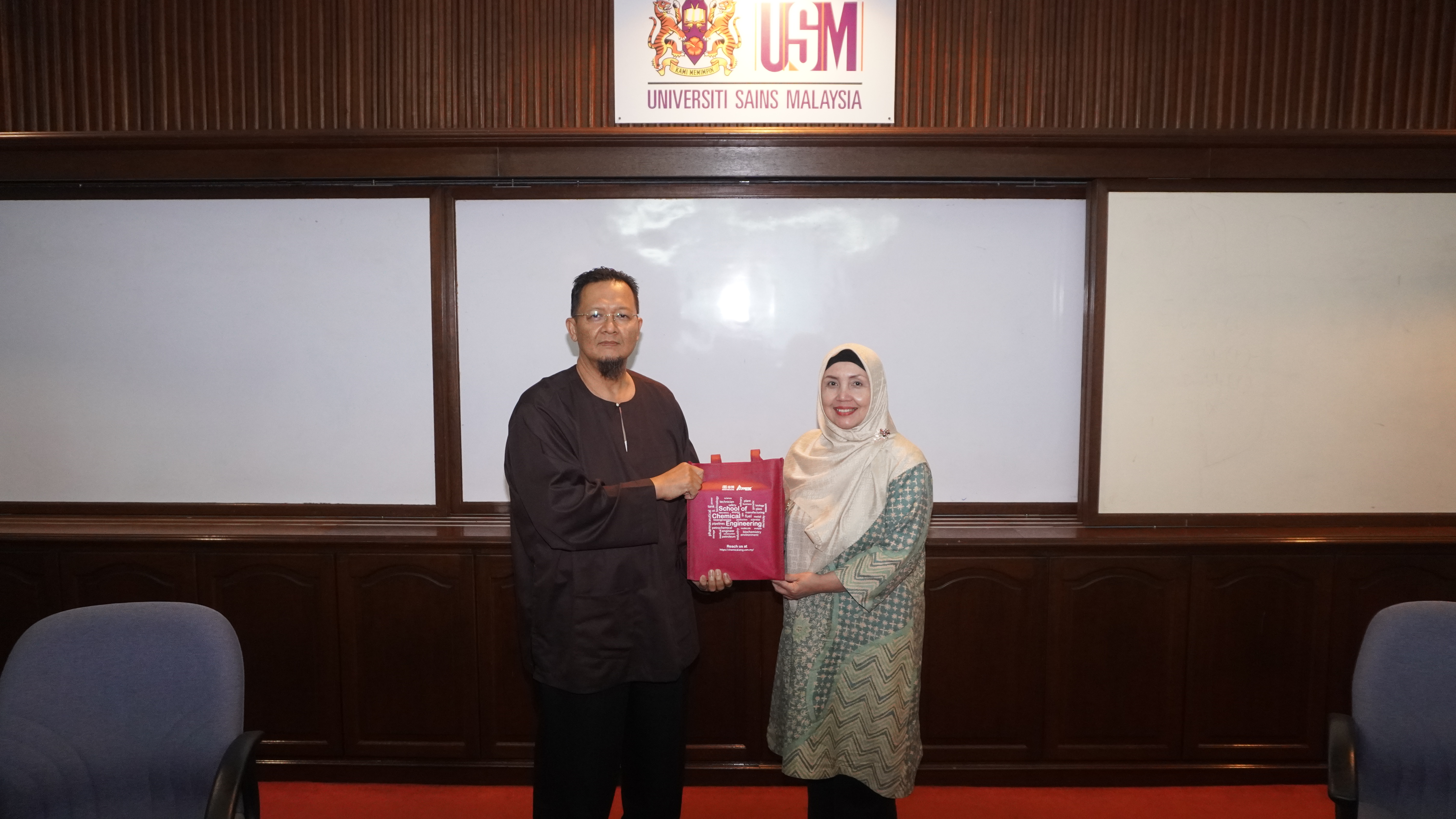
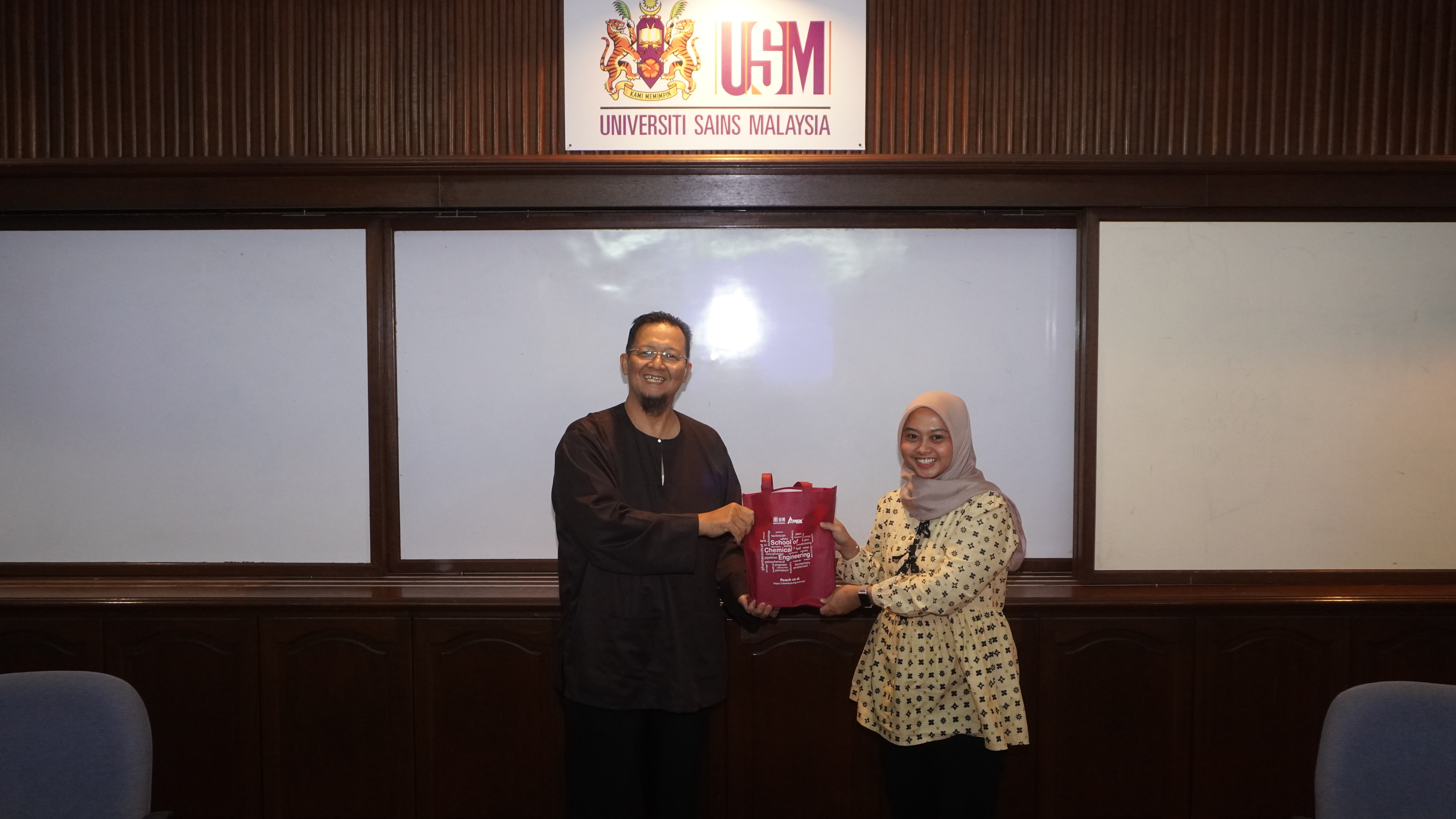
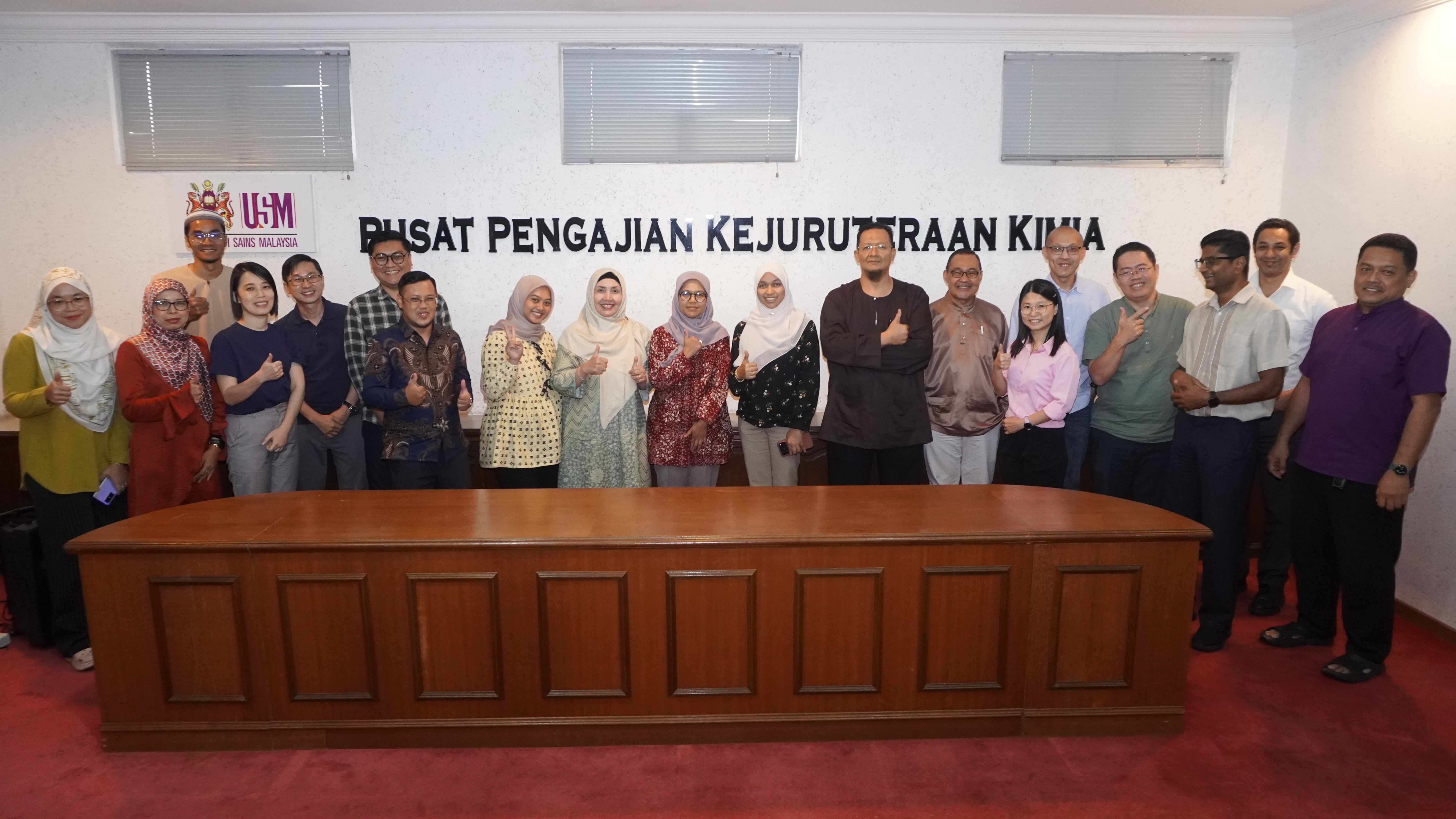
The Indonesian delegation was led by Professor Dr. Budi Mulyanti and comprised of experts from the university include Professor Dr. Fitri Khoerunnisa, Dr. Roer Eka Pawinanto, Mr. Nurhidayatullah and Mrs. Deasy Mandasari. The delegation was received by 15 academic staff members from the School of Chemical Engineering, reflecting strong institutional interest and commitment toward building meaningful research partnerships.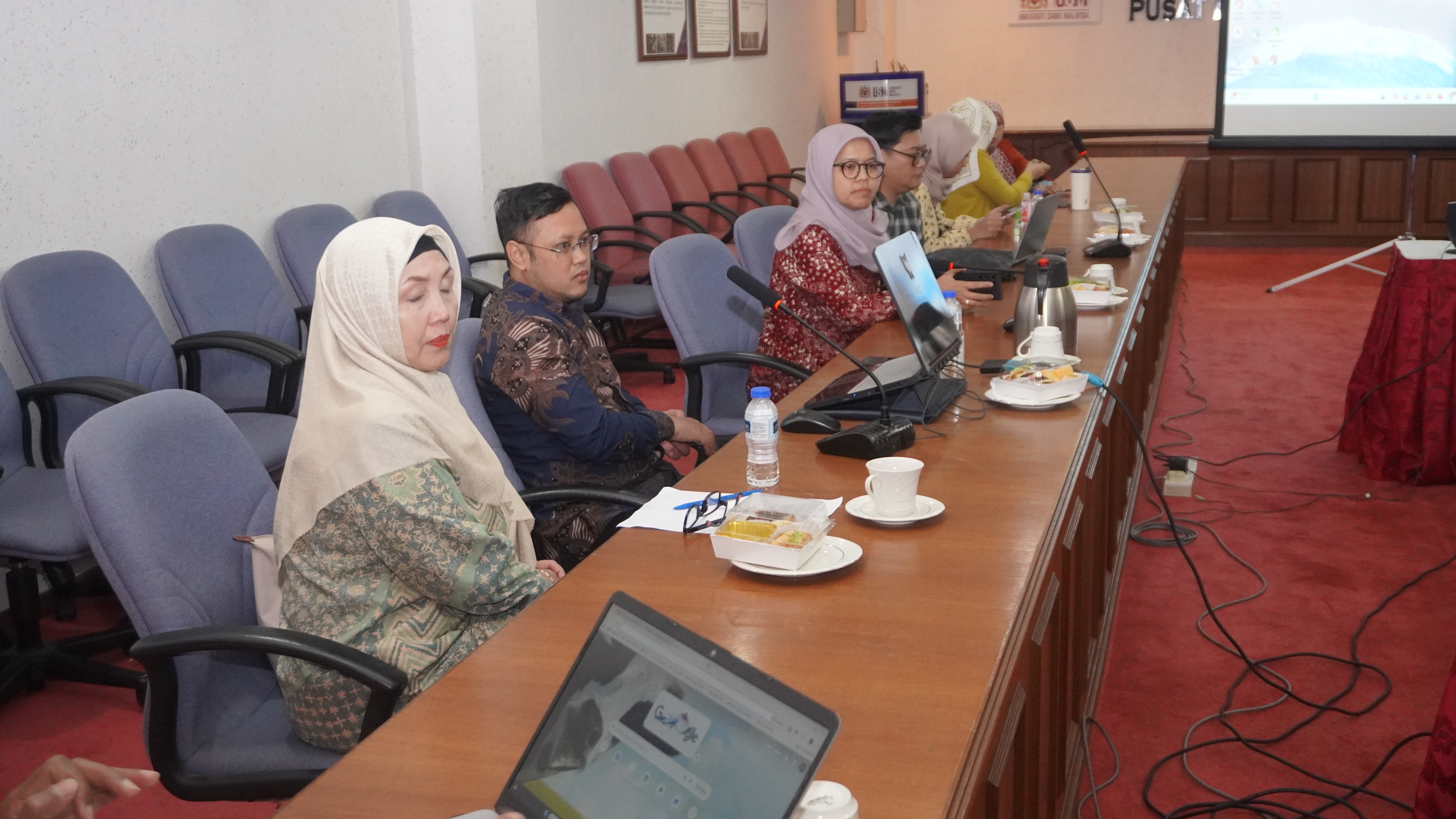
The engagement centred on collaborative opportunities in MEMS domain, with particular emphasis on microfluidic devices, MEMS-based sensors, perovskite solar cell technology, hydrogen generator technology and dryer technology.
The discussions highlighted strong complementarities between the two institutions, especially in integrating chemical engineering principles with microsystems engineering for applications in energy, sensing, and sustainable technologies.
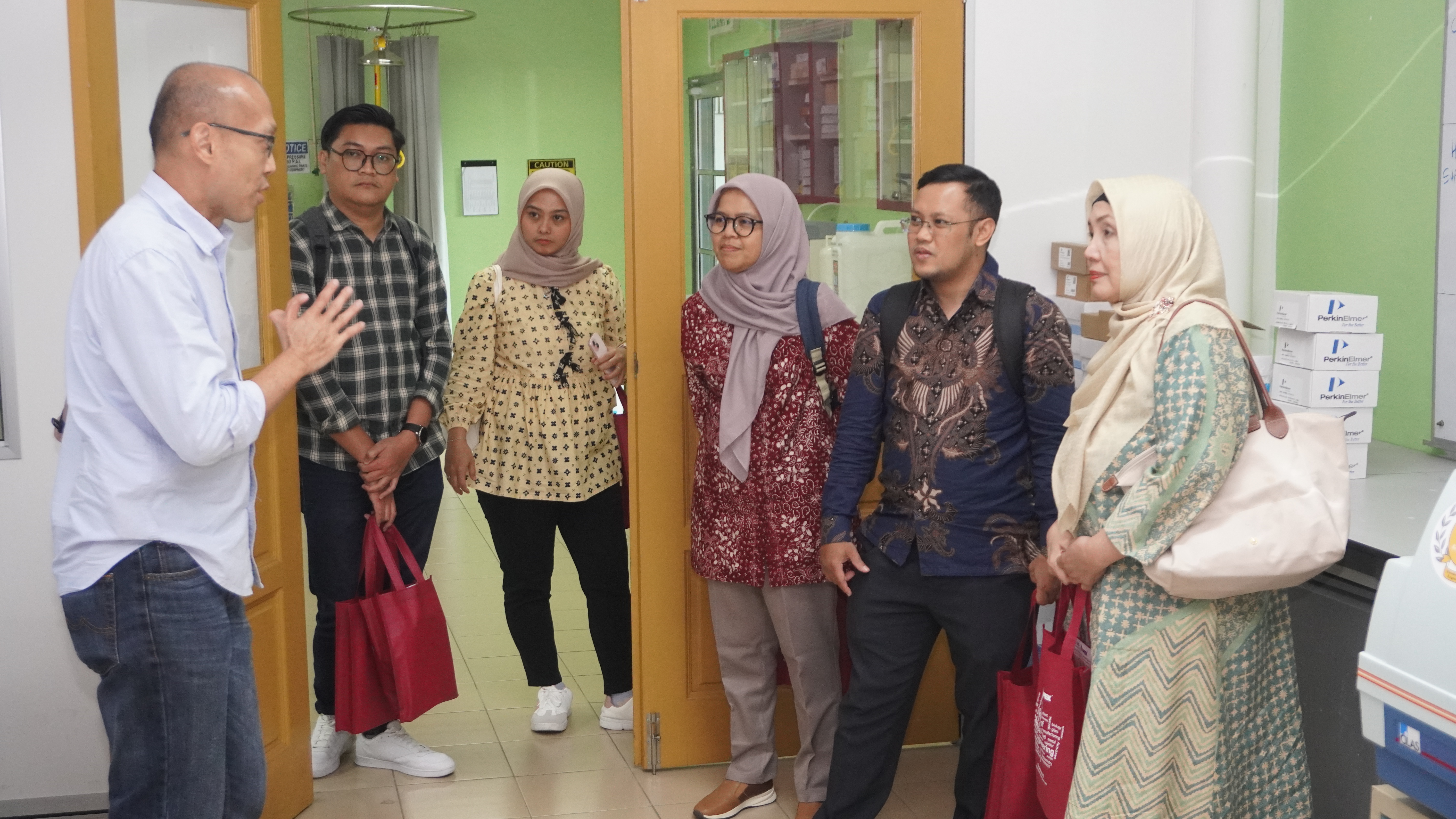
The programme included several interactive sessions designed to explore collaboration pathways. These include; laboratory tour where the delegation was given a guided tour of selected laboratories at the School of Chemical Engineering. The session also introduced available research facilities, specialised instrumentation, and key equipment that support advanced research in materials processing, microfabrication-related technologies, and energy systems. There were also research presentations, where both institutions presented their respective research expertise and ongoing projects. The session enabled deeper understanding of each party’s strengths, infrastructure capabilities, and strategic research directions. Finally, there was a session on the strategic partnership, which explored potential areas for collaboration, including identification of common research themes for joint projects, submission of joint research grant proposals, co-supervision of postgraduate students, Short-Term research attachments and mobility programmes and joint publications and conference participation.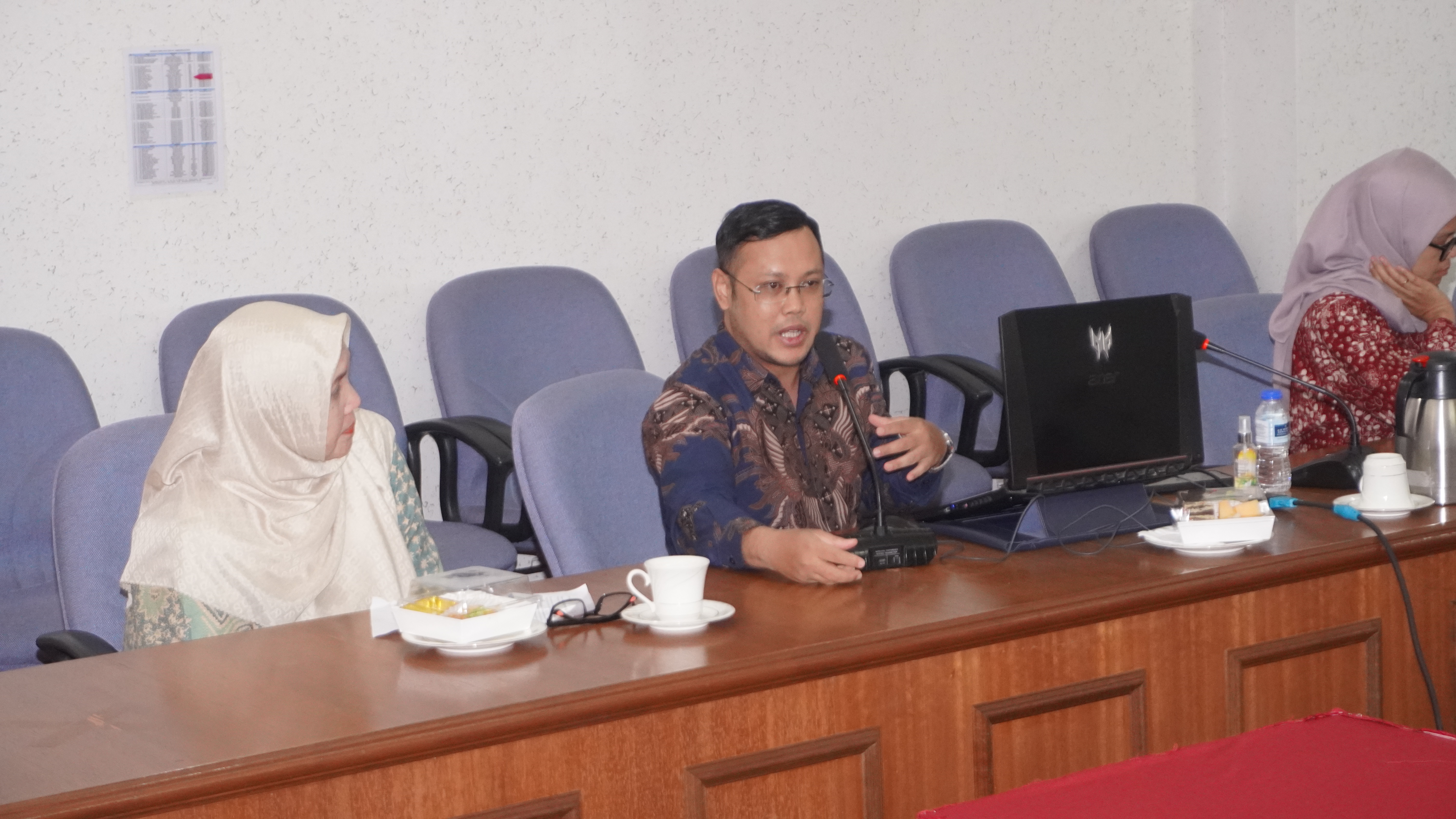
The meeting underscored the importance of interdisciplinary integration between chemical engineering, materials science, and micro-scale device engineering to address global challenges in energy conversion, sensing technologies, and sustainable process systems.
Strengthening Regional Academic Networks
This visit reflects the School of Chemical Engineering’s continued commitment to expanding its regional and international research networks, particularly within ASEAN. By fostering collaboration in MEMS, microfluidics, and advanced energy technologies, both institutions aim to establish a sustainable research partnership that enhances innovation capacity, talent development, and scientific impact.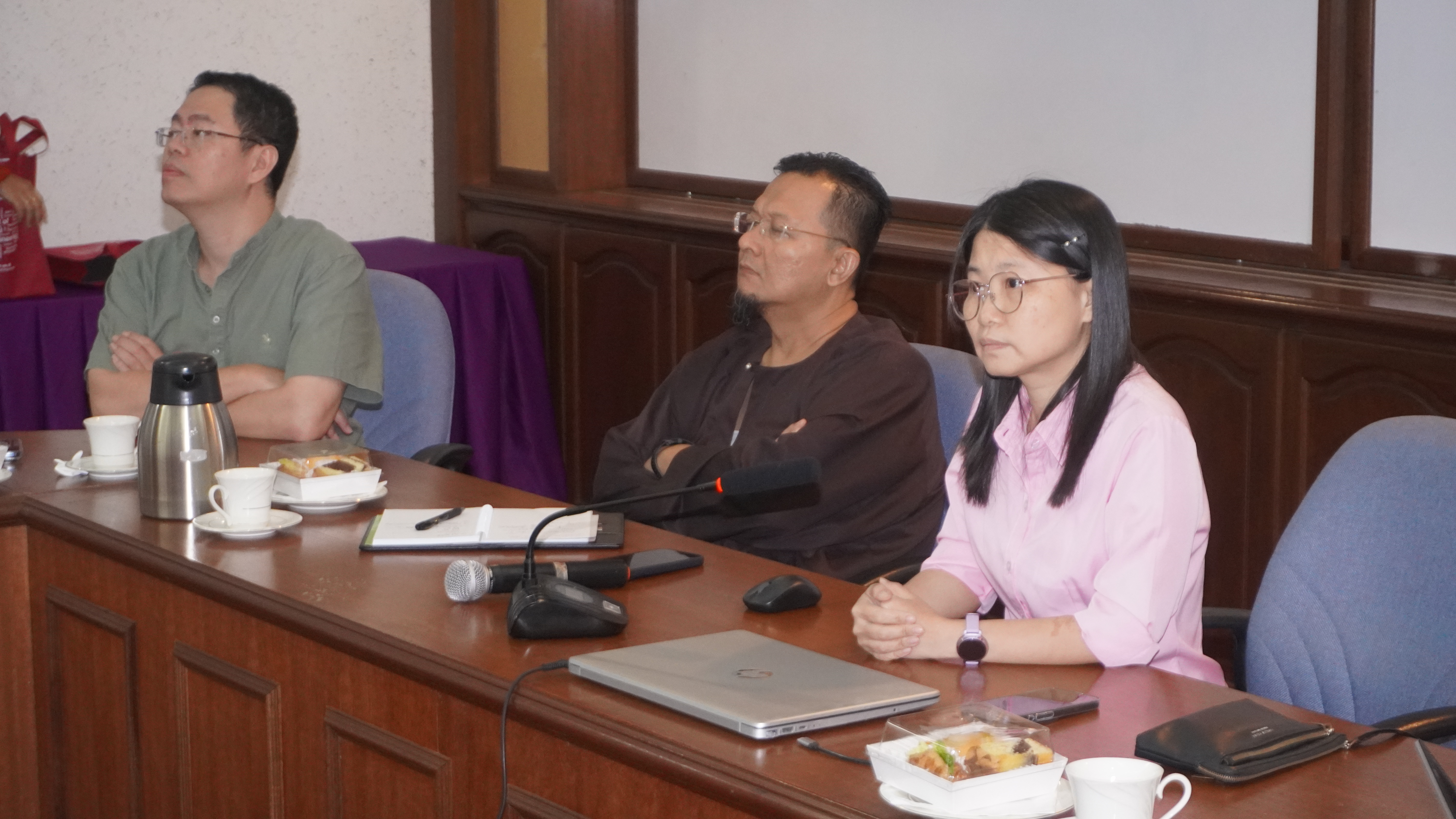
The engagement concluded with mutual agreement to pursue structured follow-up discussions, formalise collaborative initiatives, and translate the initial dialogue into concrete joint research outcomes.
The School looks forward to a productive and long-term partnership with Universitas Pendidikan Indonesia, advancing technological innovation and academic excellence in the MEMS field and beyond.
 |
 |
 |
 |
 |
 |
 |
 |
Text by : ASSOCIATE PROFESSOR DR. MOHAMAD HEKARL UZIR
Photo by : MRO