Bridging Classroom Learning with Industry Practice: USM Chemical Engineering Organises Applied Process Safety Management Workshop
21 October 2026 – The School of Chemical Engineering, Universiti Sains Malaysia (USM), organised a Workshop on Applied Process Safety Management for its final-year undergraduate students, providing valuable industry insights into process safety and preparing future chemical engineers for the demands of the professional workplace.
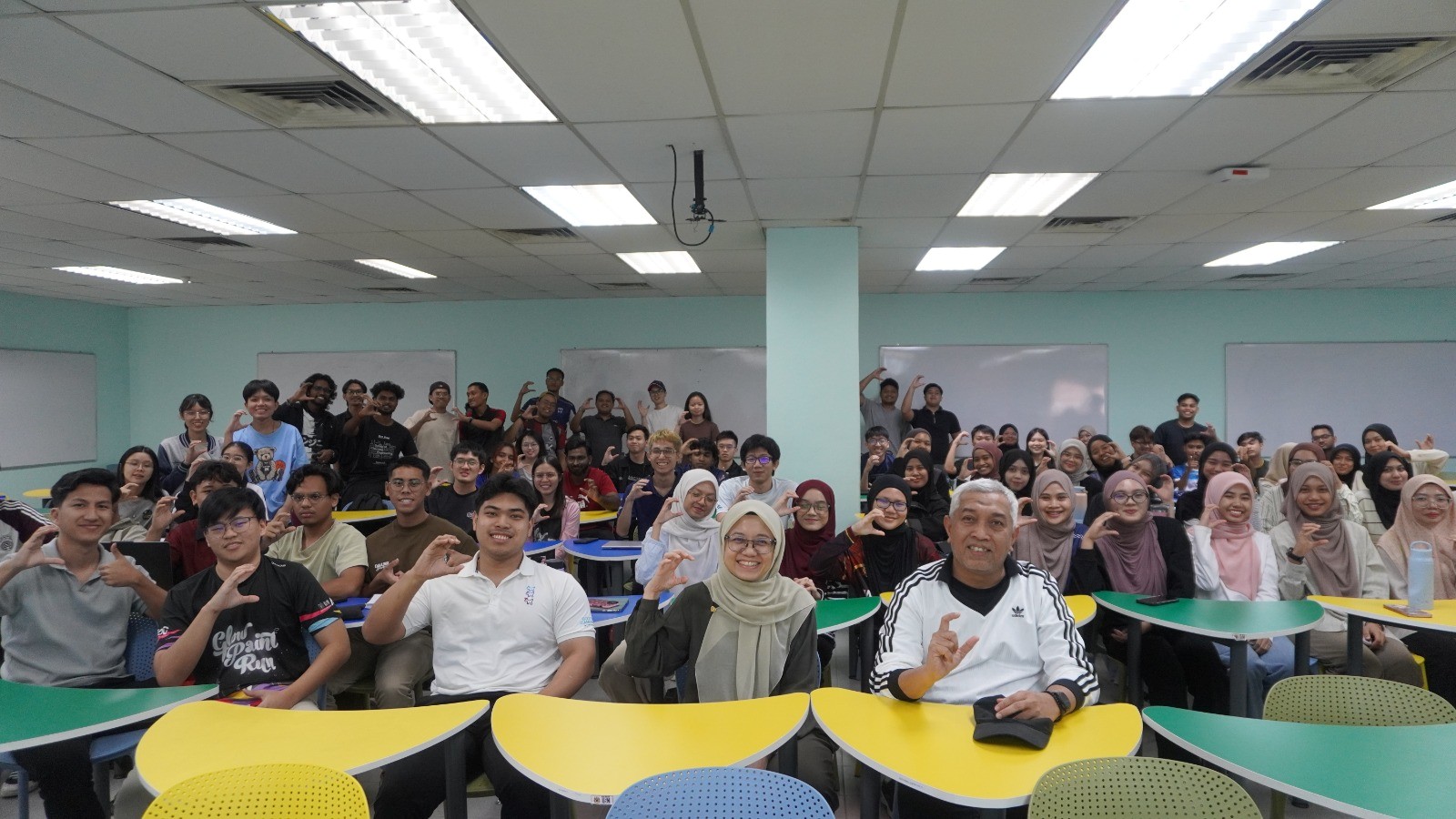
Held from 2.00 to 5.00 pm. at the School of Chemical Engineering Lecture Hall, KCK1, the workshop was attended by 87 final-year students. The session was delivered by Dr. Ir. Taram Satiraksa Wan Abdullah, a member of the School’s Industry and Community Advisory Panel (ICAP) and founder of TS Learning Services.
The workshop aimed to bridge the gap between classroom knowledge and industrial practice by equipping students with a stronger understanding of process safety responsibilities before they enter the workforce.
Learning from Three Decades of Industrial Experience
Dr. Taram brought extensive professional experience to the session, having spent approximately 30 years in the oil and gas and energy industries. Throughout his career, he held important positions in organisations including Shell Exploration & Production, Amoco/BP Chemical, and Hess Oil and Gas.
He holds a PhD in Process Plant Management from Universiti Teknologi Malaysia (UTM), with expertise spanning process safety, human factors, and safety leadership. His professional background provided students with an opportunity to learn from practical industrial experience and gain insights into how process safety principles are applied in complex operating environments.
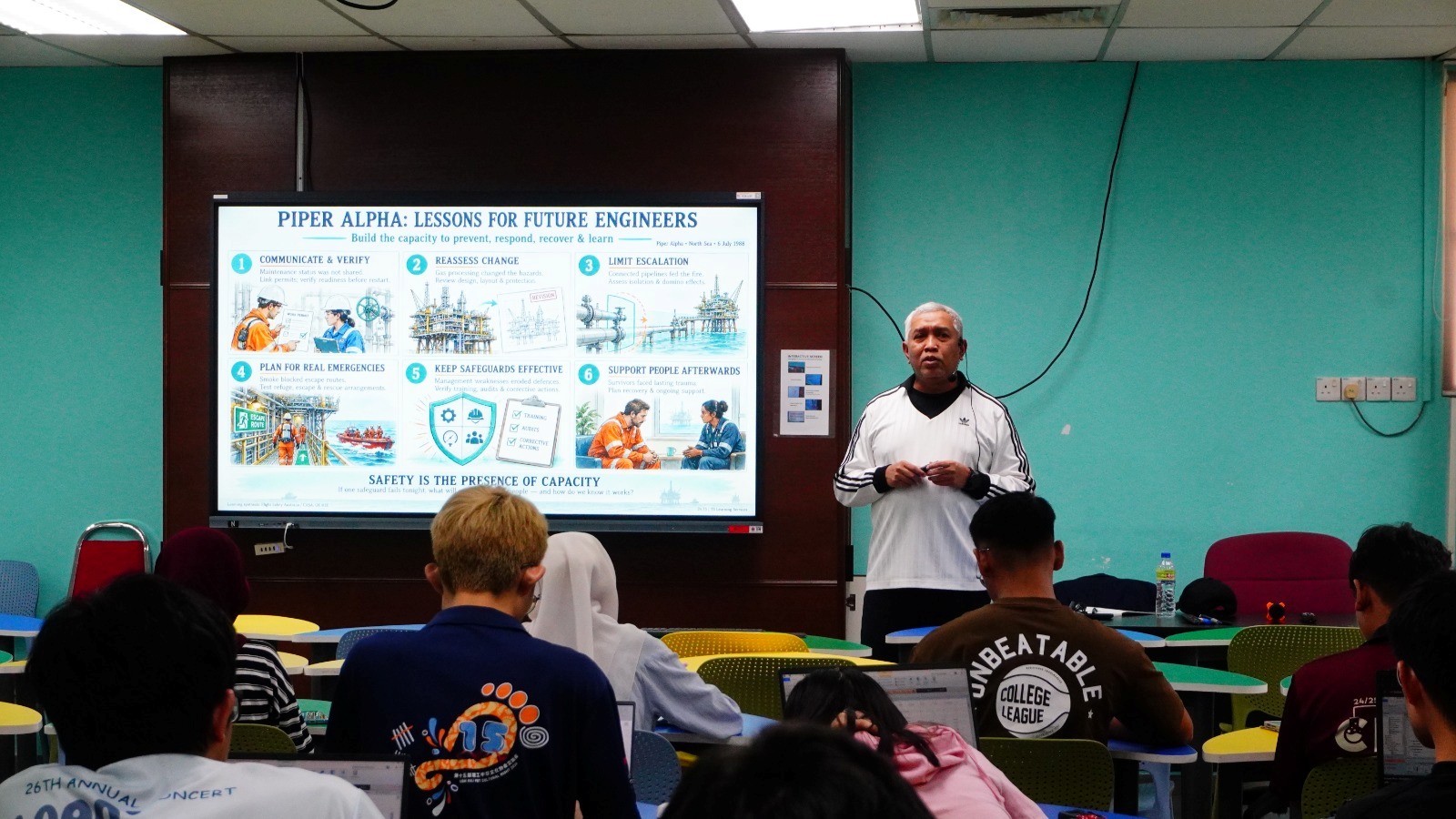
As a member of the School’s ICAP, Dr. Taram also contributed an industry perspective that supports the School’s efforts to align its academic programmes with evolving professional expectations and workplace requirements.
Understanding the Human Factor in Process Safety
A key focus of the workshop was the role of human tasks and decisions in maintaining safety throughout industrial processes. While engineering systems, equipment, and operating procedures are essential to safe operations, the people who operate, monitor, and maintain these systems also play a critical role in preventing incidents.
The session highlighted the importance of recognising safety responsibilities, understanding operational risks, and developing practical safety awareness. By considering the human factor alongside technical process requirements, students were encouraged to appreciate that process safety is not solely a matter of equipment design, but also involves human judgement, behaviour, and responsibility.
The industrial perspective shared during the workshop helped students connect the engineering principles learned in lectures with the safety practices expected in real operating environments.
Preparing Future Chemical Engineers for the Workplace
The workshop was designed to enhance graduate employability by connecting academic learning with the practical expectations of industry. For final-year students preparing to enter professional employment, understanding process safety is an essential part of developing the technical competence and professional attitude required of chemical engineers.
Through exposure to industrial safety practices, students were encouraged to become more alert to potential hazards and more conscious of their responsibilities in maintaining safe working environments. These insights are particularly relevant to chemical engineers who may work in process plants, manufacturing facilities, energy operations, and other industrial settings where safety is fundamental to operational performance.
The workshop therefore served as a valuable complement to the students’ academic preparation, reinforcing the importance of applying engineering knowledge responsibly and making safety a priority in professional decision-making.
Recognising Professional Development and Industry Readiness
Concluding the workshop, students were awarded certificates in recognition of their participation. This initiative formed part of the School’s efforts to provide value-added learning experiences that contribute to students’ professional development beyond the formal curriculum.
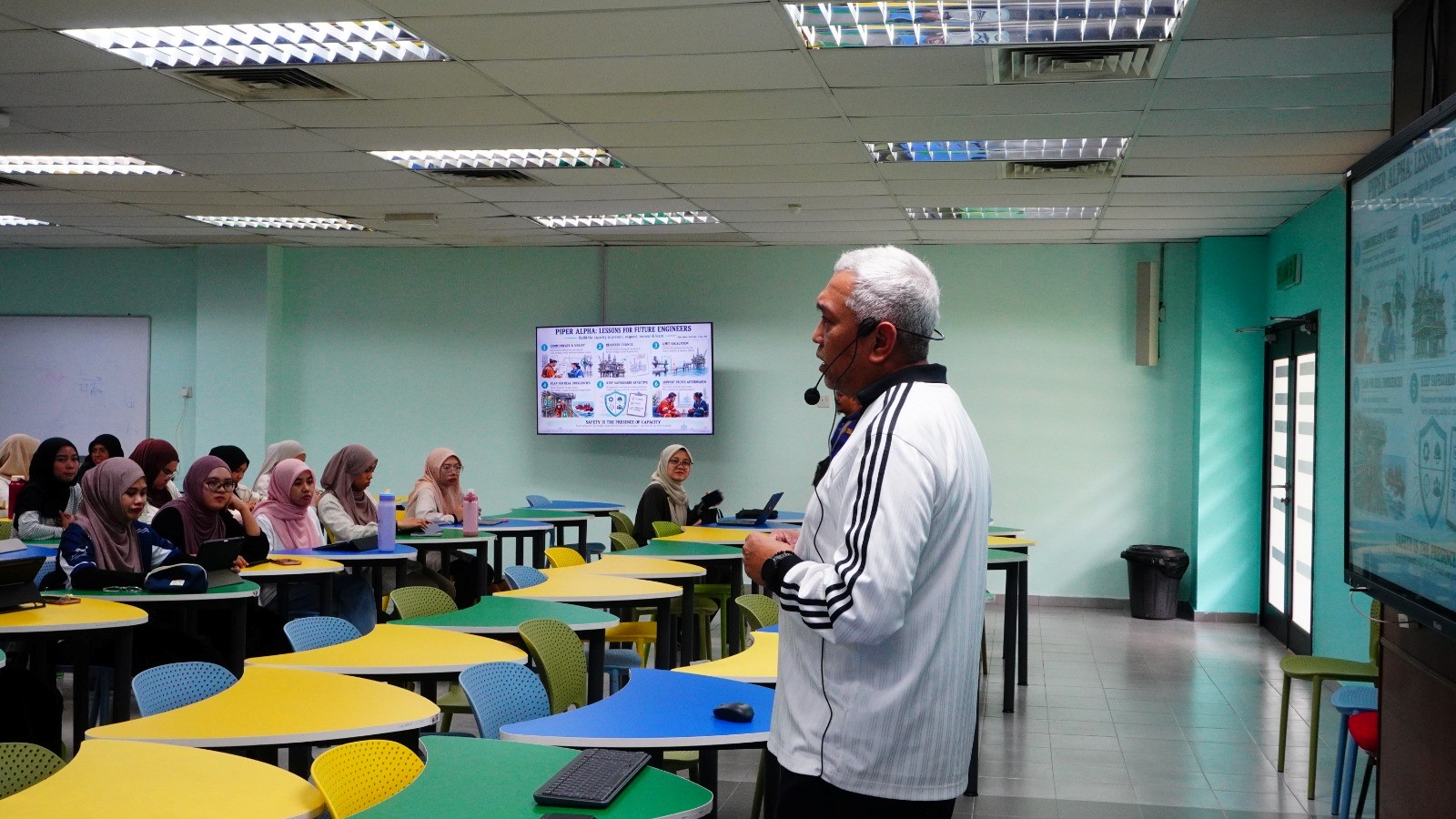
Such activities help students broaden their understanding of industry expectations while strengthening the connection between university education and professional practice. The engagement also reflects the value of collaboration with industry practitioners in enriching the learning experience and preparing graduates for the transition from university to employment.
Building a Stronger Safety Culture Among Future Engineers
The Applied Process Safety Management Workshop demonstrates the School of Chemical Engineering’s continued commitment to integrating academic learning with industrial requirements and enhancing graduate employability. By bringing experienced industry professionals into the learning environment, the School provides students with practical perspectives that complement their technical education.
As these 87 future chemical engineers prepare to embark on their professional journeys, the message is clear: safety must never be an afterthought, but a responsibility embedded in every engineering decision. The School hopes that the knowledge gained from this workshop will encourage students to become safety-conscious, responsible, and industry-ready engineers who contribute to safer workplaces and more sustainable industrial operations.
Text: MHU
Photos: AAO